


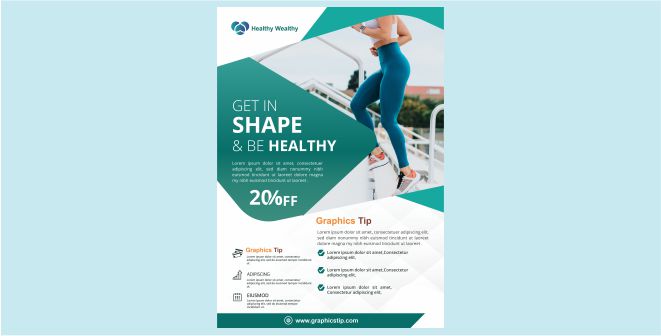
For many years, flyers have been a well-liked marketing tool. They are a flexible and affordable approach to advertising occasions, companies, goods, or services. But combining text and images to create a successful flyer design takes more than that. You must consider design principles, content, and your target audience if you hope to effectively catch your audience’s attention and communicate your message. We will examine how to create a flyer that stands out and accomplishes your objectives in this thorough guide.
How to Flyer Design
Images are a potent tool for getting your point across. Make sure the photographs you utilize are crisp, pertinent to your topic, and not stretched or pixelated. You can think about including expert images, illustrations, or graphics in your design.
Know Your Purpose
Clearly defining your flyer’s objective is essential before beginning the design process. Are you disseminating details about your company, promoting a particular event, announcing a new product, or promoting a sale? Knowing your objectives can help you make design decisions and make sure your flyer effectively conveys its message.
Create a Compelling Headline
The first thing visitors will notice about your flyer is the title. It ought to be succinct, compelling, and pertinent to your goal. To make it stand out, use bold fonts and contrasting colors.
Define Your Purpose and Target Audience
It’s important to comprehend the function of your flyer and choose your target market before you start the design process. A clear grasp of your aims and the audience you want to reach will direct all design decisions, whether you’re advertising a product, announcing an event, or spreading awareness for a cause.
Design Principles
For a flyer to be effective, it must be organized and visually appealing. Think about the following design tenets:
- Use a logical and straightforward layout. The majority of flyers have a common grid layout with sections for the headline, body text, images, and contact details. For best visibility, place the most important information at the top and middle.
- Typography: Pick legible fonts and uphold a unified typographic hierarchy. Make sure your writing is legible from a distance.
Create Captivating Visuals
Visuals of the highest caliber are essential for an effective flyer. Use pictures, graphics, or photos that are appropriate for your message and target audience. Ensure that they are of good resolution and fit well with the overall design. Stock photos can be helpful, but unique or customized images typically have a bigger impact.
Typography Matters
The legibility and general design of your flyer can be substantially influenced by the fonts you use. Choose legible fonts, and think about combining fonts to distinguish between headlines and body text. Consistency in font selection is important throughout the flyer.
Color Scheme
Choosing the appropriate color palette is essential to producing an eye-catching flyer. Use hues that go with your brand or the occasion’s theme. Take into account the psychological effects of color; for instance, red can indicate enthusiasm, while blue denotes dependability and trustworthiness. To keep a coherent appearance, stick to a small color palette.
Imagery and Graphics
In flyer design, visuals and images are essential. The viewer’s attention can be captured and your message strengthened by the use of excellent images. When choosing photographs, make sure they are appropriate for printing and pertinent to your content. Use icons, drawings, or your logo to improve the presentation’s aesthetic appeal.
Printing and Distribution
Once your flyer design is complete, you need to think about printing and distribution. Here are some considerations:
- Printing Quality: To ensure that your flyer looks polished and appealing, invest in high-quality printing. For the finest outcomes, think about working with a reputable print company.
Recheck and Edit
Grammatical and spelling mistakes might damage the credibility of your flyer. Check all material, including dates and contact information, for errors. As new eyes are more likely to spot errors, ask someone else to review it as well.
Printing and Paper Selection
How to Flyer Design
The final product might be affected by the paper selection and printing technique. The appearance and feel of your flyer can be influenced by matte or glossy finishes, various paper weights, and sizes. When making these decisions, keep in mind your spending limit and the impression you want to project.
The creative process of designing a flyer blends marketing strategy with creative flair. You can make flyers that effectively communicate your message and grab attention by establishing your purpose, comprehending your audience, and adhering to fundamental design principles. Keep in mind to pick the appropriate equipment, pay attention to visual components, and carefully organize your printing and distribution. You may leave a lasting impression and accomplish your marketing objectives with a well-designed flyer. So get creative, roll up your sleeves, and create a flier that will stick in people’s minds.